Are you dreaming of turning your passion for vintage finds into a thriving antique booth business? Do you want to make money in your antique booth? Selling in an antique booth can be incredibly rewarding, but it takes more than just filling a space with pretty things. To truly succeed, you need a strategy.
*Some links may be affiliate links
Having run my own antique booth for years and observed countless others, I’ve identified three crucial areas to make money in you antique booth. Forget just pricing things right; these tips go deeper, focusing on presentation, continuous refreshment, and understanding your customer.
This ebook on buying and selling vintage decor is perfect for beginners. For only $8.99 it will teach you the basics of buying and selling vintage decor.
Follow me on Facebook to see what my antique booth looks like.
Let’s dive into the three essential tips that will help your antique booth stand out and bring in those sales!
Merchandising your antique booth
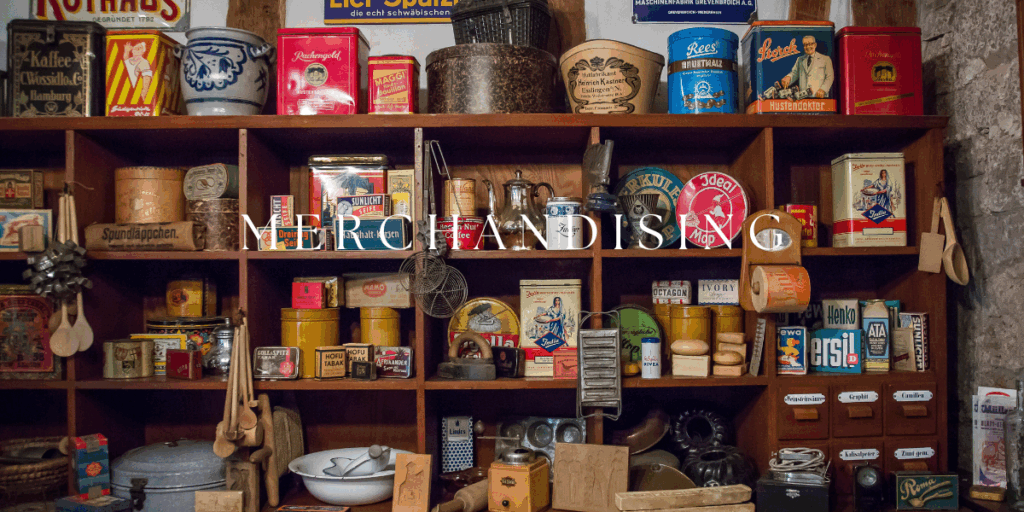
Tip 1: Merchandising is Key – Treat Your Booth Like a Retail Store
This might seem obvious, but you’d be surprised how many antique booths look more like a storage unit than a shopping destination. Think about your favorite retail stores – they’re meticulously organized, aesthetically pleasing, and easy to navigate. Your antique booth should be no different.
- Create Vignettes: Don’t just place items on shelves. Group complementary items together to tell a story or suggest how they might look in a home. For example, pair a vintage teacup with a small antique book and a lace doily to create a charming “reading nook” display.
- Vary Heights and Textures: Flat displays are boring. Use risers, crates, books, or even small pieces of furniture to create visual interest and highlight different items. Mix materials like wood, metal, glass, and fabric to add depth.
- Keep it Clean and Clutter-Free: Dust is the enemy of antique sales. Regularly clean your items and your booth space. This dusting wand and dusting cloth are work AMAZING to keep your booth clean. While you want to showcase a lot, overcrowding can overwhelm shoppers and make it difficult for them to see individual pieces. Less can often be more.
- Good Lighting: If your booth allows for it, consider adding a small lamp or battery-operated puck lights to illuminate darker corners or highlight special items.These motion sensing lights would work great. Good lighting makes everything look better!
Remember, shoppers are looking for inspiration. When your booth is well-merchandised, it’s easier for them to envision your treasures in their own homes,
how to refresh your antique booth

Tip 2: Rotate and Refresh Your Inventory (Often!)
This is arguably one of the most overlooked aspects of successful antique booth selling. If your booth looks the same week after week, regular customers will stop stopping. They’ve seen it all before!
- Regular Refreshment is Crucial: Aim to refresh your booth’s layout and bring in new inventory at least once a month, if not more frequently. Even moving items around within your booth can make it feel fresh. Everytime I refresh my booth I sell something!
- Monitor Sales and Replace: Keep track of what sells. If an item has been sitting for months, it’s time to mark it down or remove it. Use the space for something new that has a better chance of selling. Rotating inventory is key!
- Seasonal Swaps: Incorporate seasonal items to keep your booth relevant. Think about holiday decor, spring garden items, or cozy fall pieces. This gives customers a reason to visit repeatedly throughout the year.
- The “New Blood” Factor: When a customer sees new items, it creates excitement and a sense of urgency. They know if they don’t buy it now, it might be gone on their next visit. This encourages impulse purchases.
- There will be a “sweet spot” in your booth. A spot that for some reason everytime something is there it sells, make sure you have that spot filled.
A constantly evolving booth signals to shoppers that there’s always something new to discover, turning casual browsers into loyal customers.
how to price items for your antique booth

Tip 3: Price Competitively AND Clearly
Pricing in the antique and vintage world can be tricky. You want to get a fair price for your treasures, but you also need to ensure they move.
- Do Your Research: Before pricing, research similar items online (eBay sold listings, Etsy, other antique malls) to get a sense of market value. Consider the condition, rarity, and desirability of your piece. Just a tip…if your price is the same as online it will not sell very fast. Shoppers are savy…price a bit lower than online.
- Be Competitive: While you don’t want to undersell yourself, an item priced significantly higher than comparable pieces in the same mall or online will likely sit. Don’t be afraid to adjust prices if things aren’t selling.
- Clear and Legible Pricing: This seems basic, but it’s vital. Every item needs a clear, easy-to-read price tag. Faded, tiny, or missing price tags frustrate customers and often lead to lost sales. Use consistent pricing labels.
- Consider a Discount Policy (if the mall allows): Many antique malls allow dealers to offer small discounts. If you’re open to it, a small sign indicating “20% off marked price” can be a great motivator for sales, especially on higher-priced items that have been sitting.
Transparent and competitive pricing builds trust with your customers and helps them make purchasing decisions quickly and confidently.
Selling in an antique booth is an ongoing learning process. By focusing on smart merchandising, consistent inventory rotation, and strategic pricing, you’ll not only enhance your booth’s appeal but also significantly increase your chances of turning your antique passion into a profitable venture.
What are your go-to tips for a successful antique booth? Share your insights in the comments below!
vintage decor on etsy
My Etsy shop Wares Vintage home is an ever changing vintage shop! Stop in and look around. Add me to your favorite shop and be the first to be notified when new items hit the shelves.